Unlike Australia where flying is the most practical way to travel long distances, France has a solid high-speed rail network. In many cases, travellers can choose between taking a flight or catching the train. But what’s the best way to go?
As always, it’ll depend on your needs and circumstances. But to see how both options stack up, I recently took a return journey between Paris and Nice. In one direction, I travelled by plane. On the way back, I took the train. Here’s what to expect with each mode of transport, and which one we’d recommend for your next trip.
American Express Velocity Platinum

Travelling within France by plane
With domestic flights in France generally being under two hours from gate to gate, it can make sense to shop on schedule, price, and convenience. Qantas counts Air France as a partner, but the arrangement doesn’t allow Status Credits to be earned on AF flight codes – or lounge access on these domestic flights. Meanwhile, there’s also easyJet: a no-frills carrier where you get what you pay for.
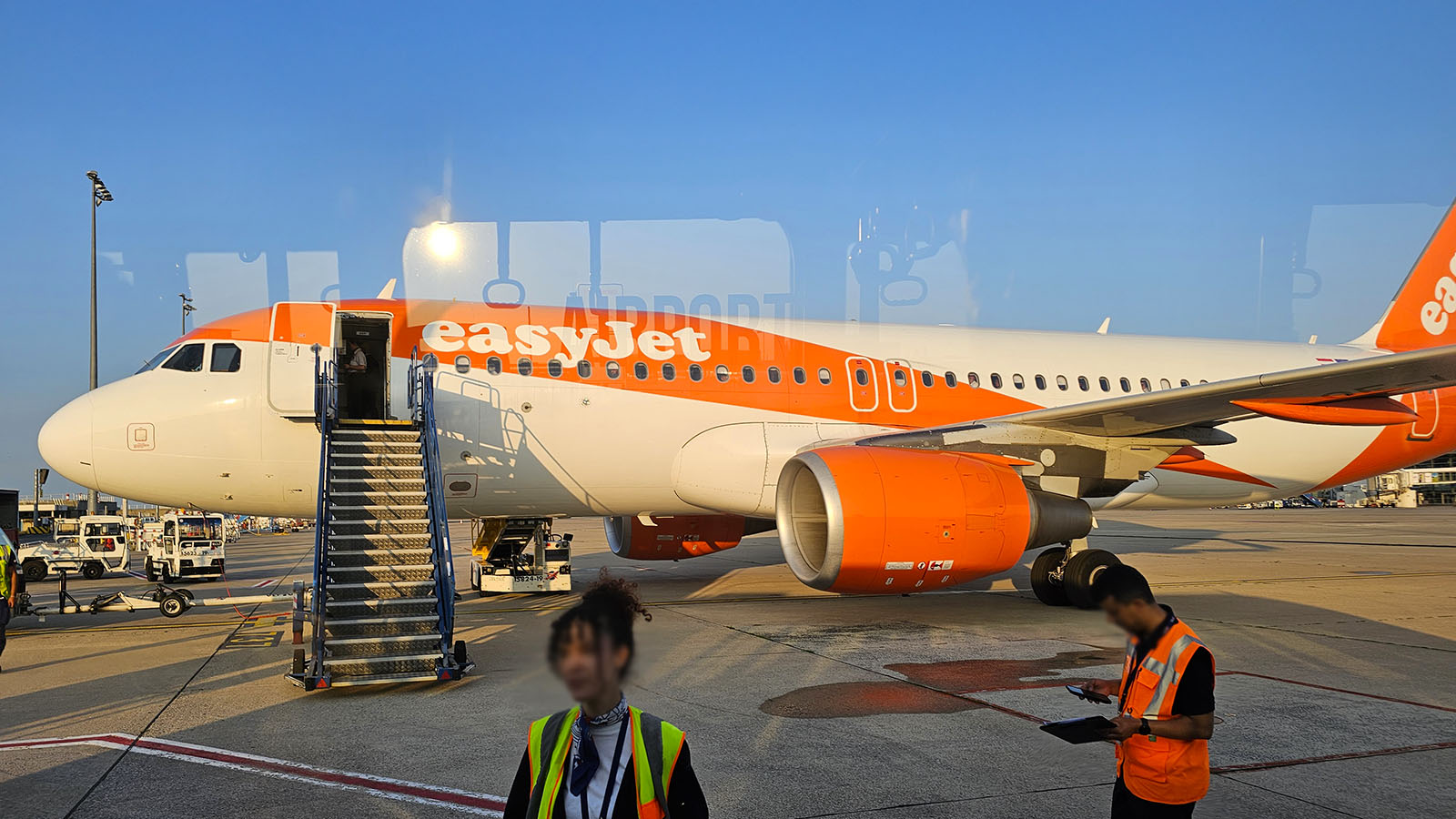
For this hop from Paris to Nice, I’m on easyJet. That’s a fairer comparison to the train, as easyJet similarly has no points-based loyalty program or status benefits. But even then, Air France doesn’t offer domestic lounge access to SkyTeam Elite Plus members anyway, making it more appealing to shop on price.
In my view, flying between these two cities works best for travellers who are:
- Taking day trips – for business, you’d hope!
- Connecting to or from a same-day flight, as you’d already be at the airport.
- Needing more flexibility on schedule, as there are many more flights than train departures.
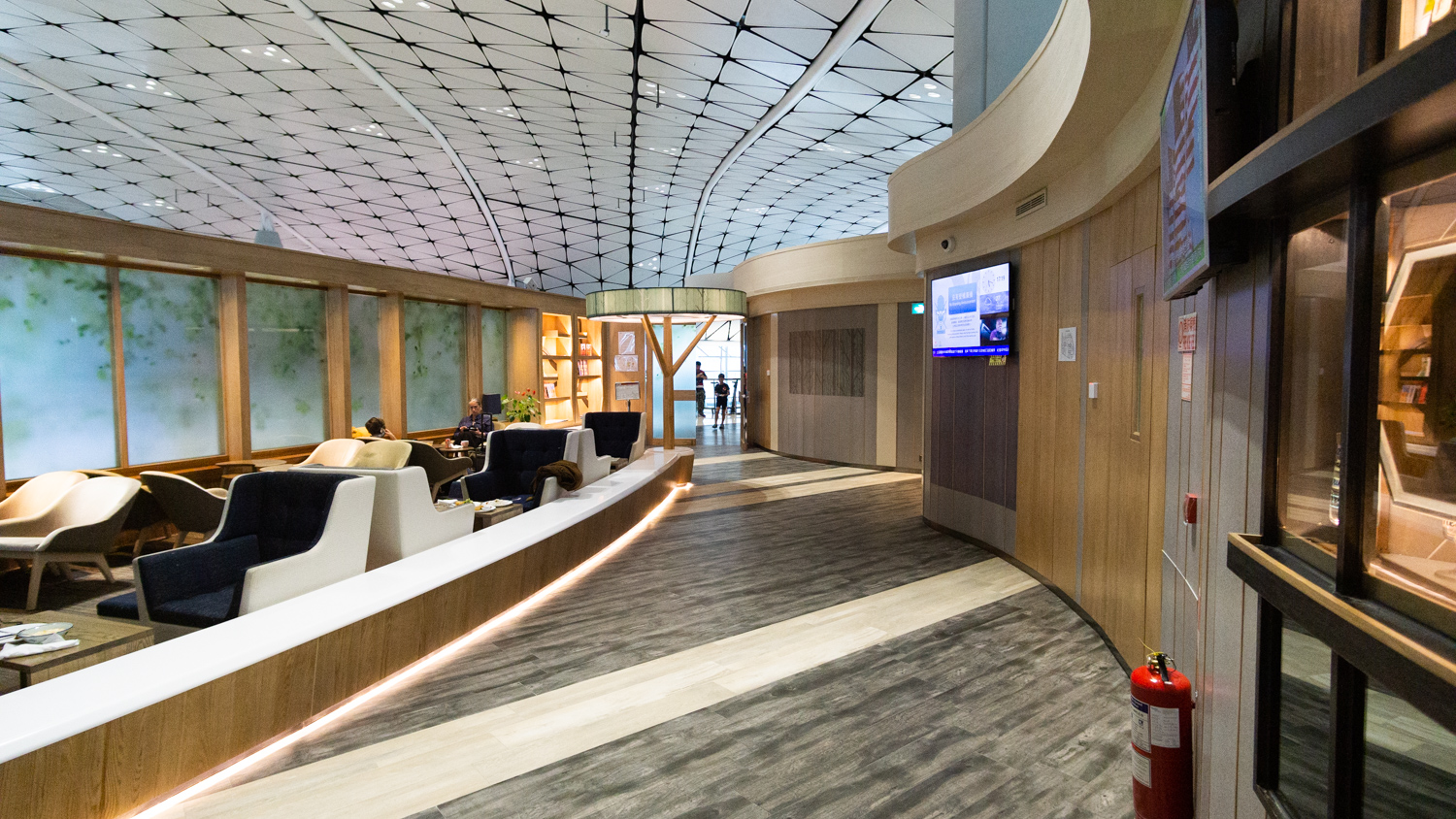
- Visiting an airport lounge, where their journey or membership qualifies them for access.
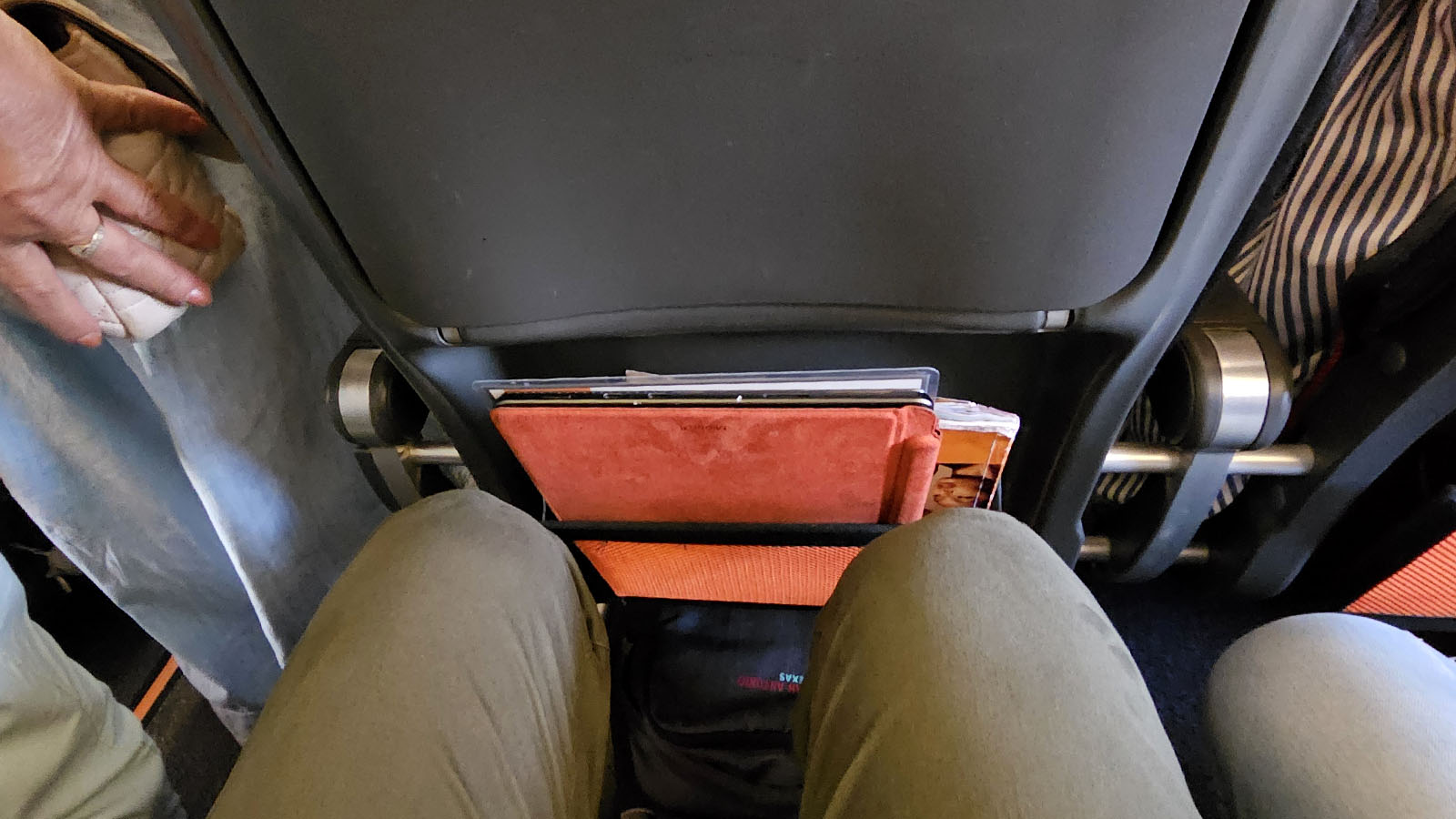
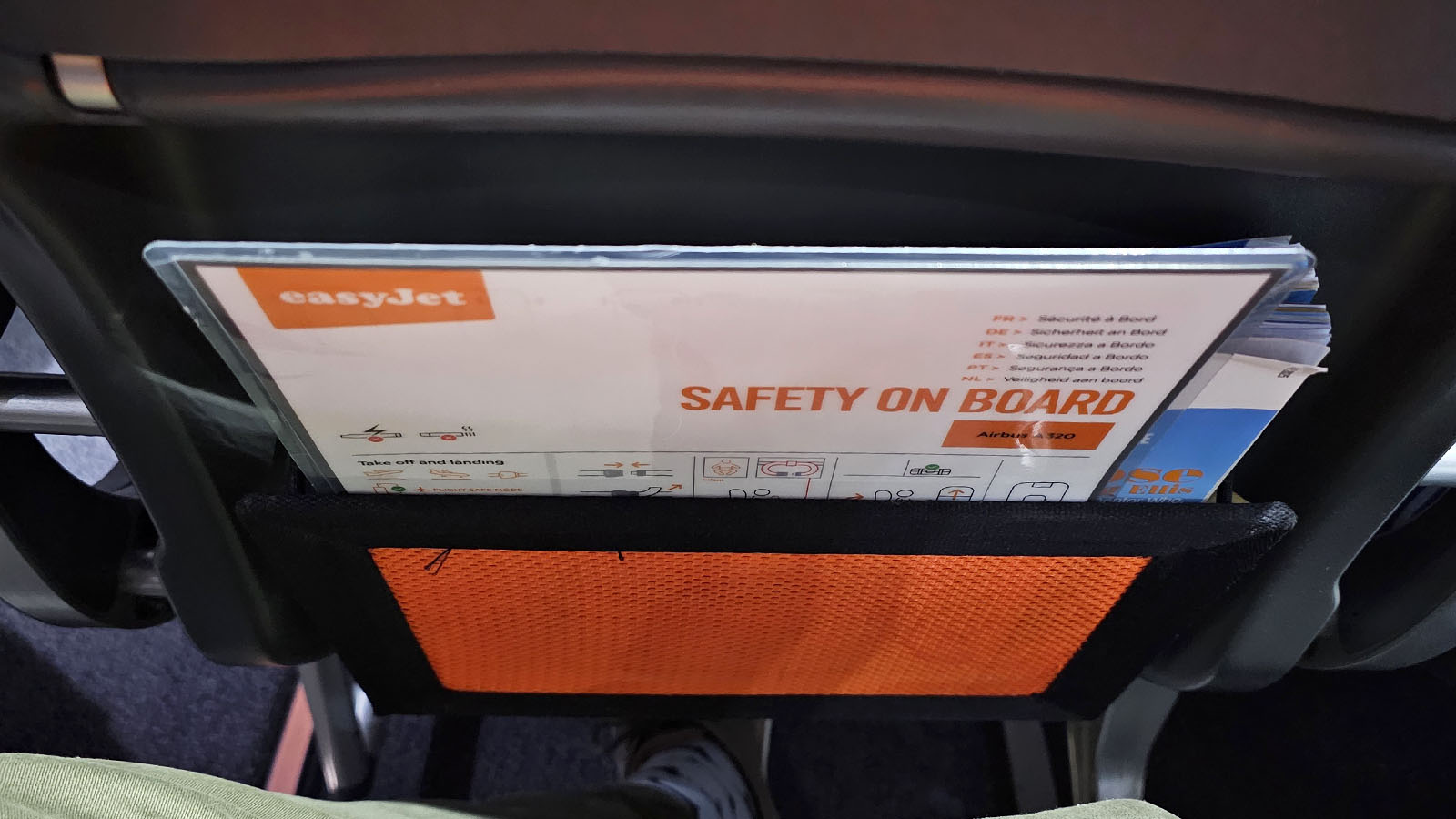
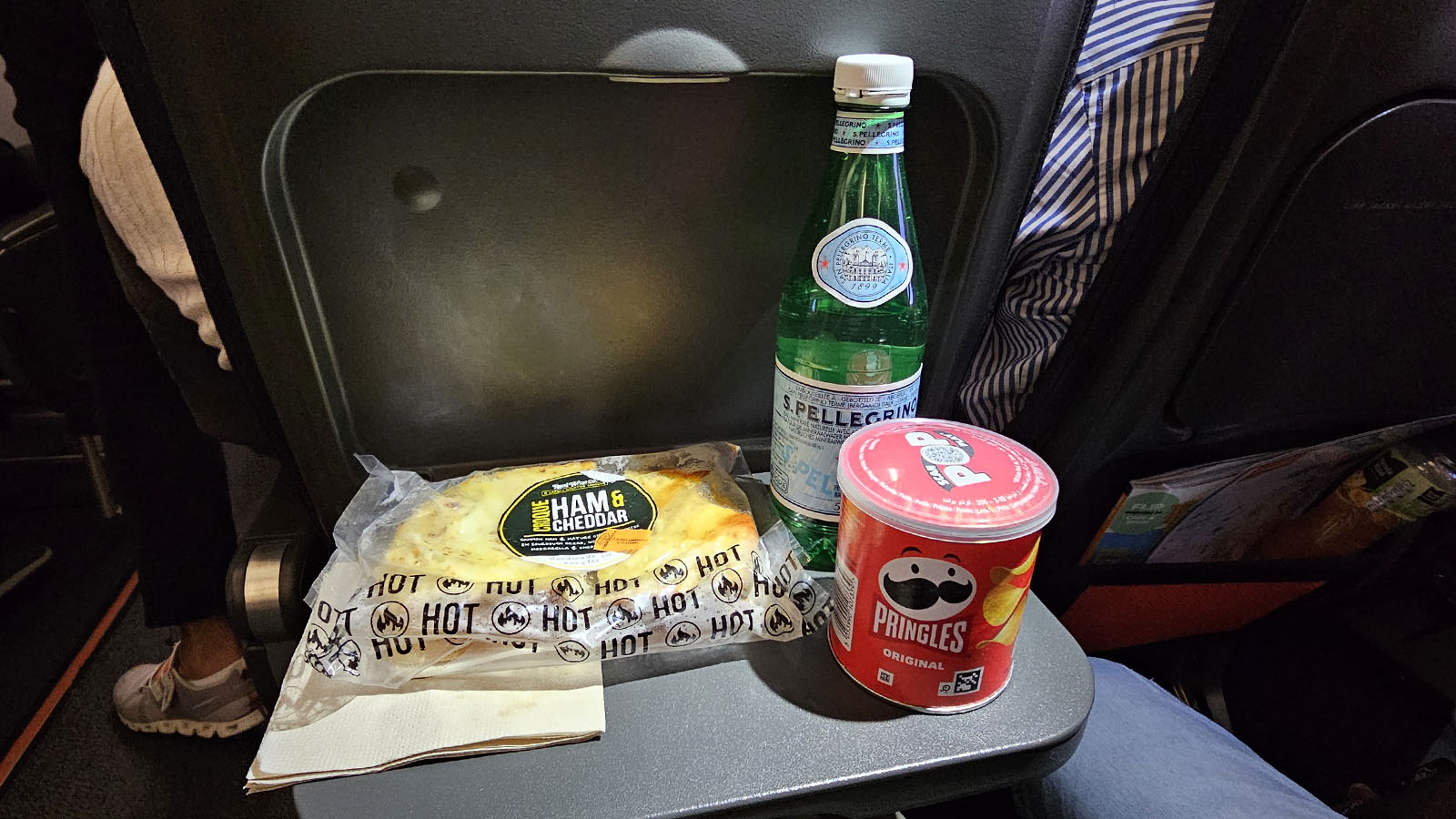
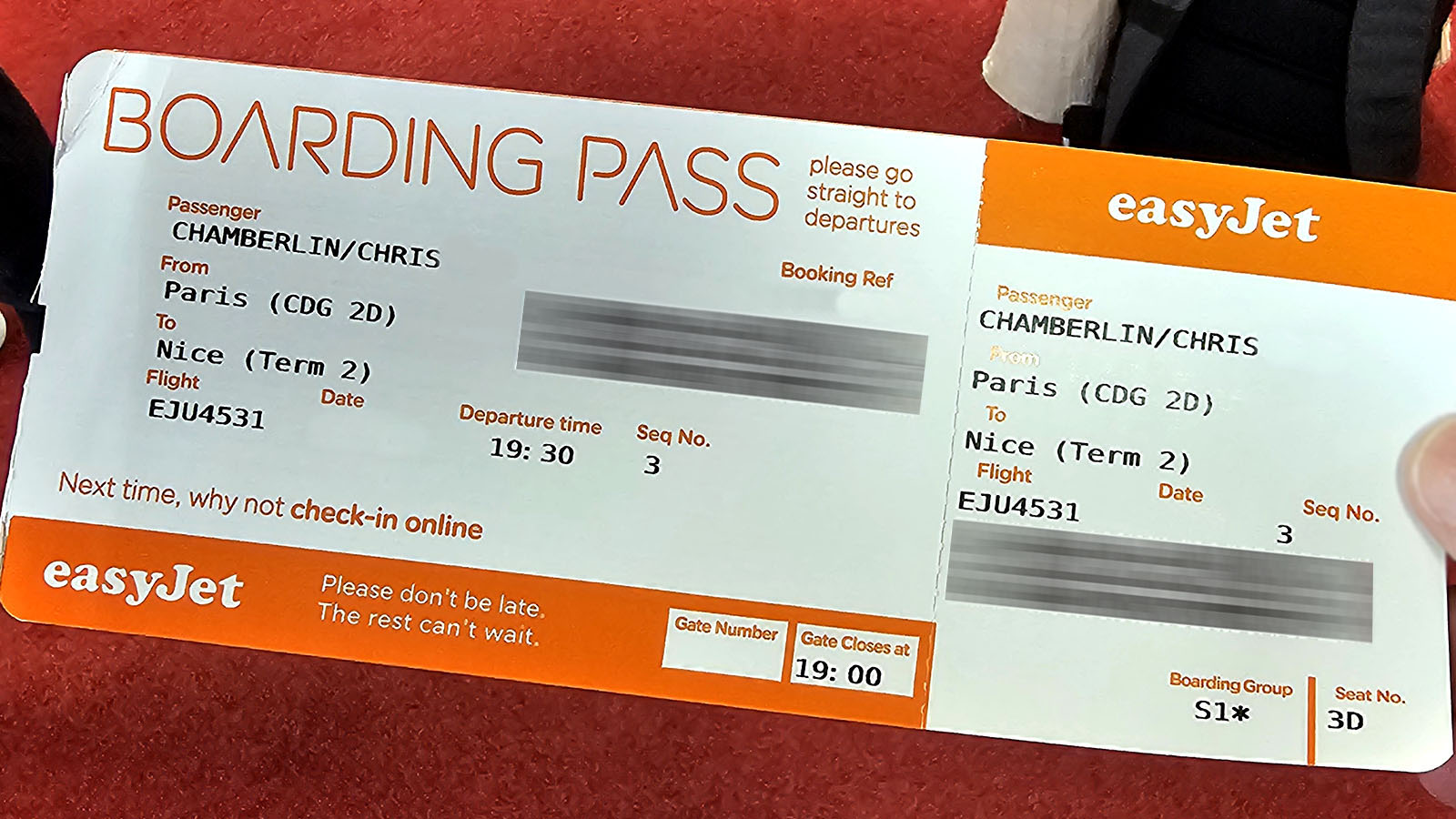
But there are downsides to flying rather than gliding over ground. These include:
- Strict check-in deadlines requiring an earlier arrival, and with fixed baggage limits.
- The hassle of security screening, particularly with restrictions on liquids in the cabin.
- More hopping from place to place (check-in, security, departure gate, seat, arrival terminal).
- Restrictions on activities like the use of standard laptops during take-off and landing.
- Waiting for any checked baggage upon arrival.
On a good day, it can take around 1.5 hours to fly from Paris to Nice. That’s not including any of the pre-departure formalities or collecting bags upon landing. But with air traffic control delays blended in, it can be hours more. As it happens, we’ve had to arrive at the airport several hours before departure to make sure things run smoothly. Add in the two-hour delay we faced on boarding, the extra half hour to leave the gate, the 1.5-hour flight, and collecting bags at the end, and the total time impost is over seven hours.
Suddenly, that 90-minute hop seems anything but.
Exploring France by train
On the one hand, a physical journey across France by train takes longer than flying. But travelling by rail removes many of the headaches of aviation. Passengers have the luxury of arriving at the station shortly before departure. There are no security hassles or baggage limits (within reason). And of course, no real battle for overhead locker space.
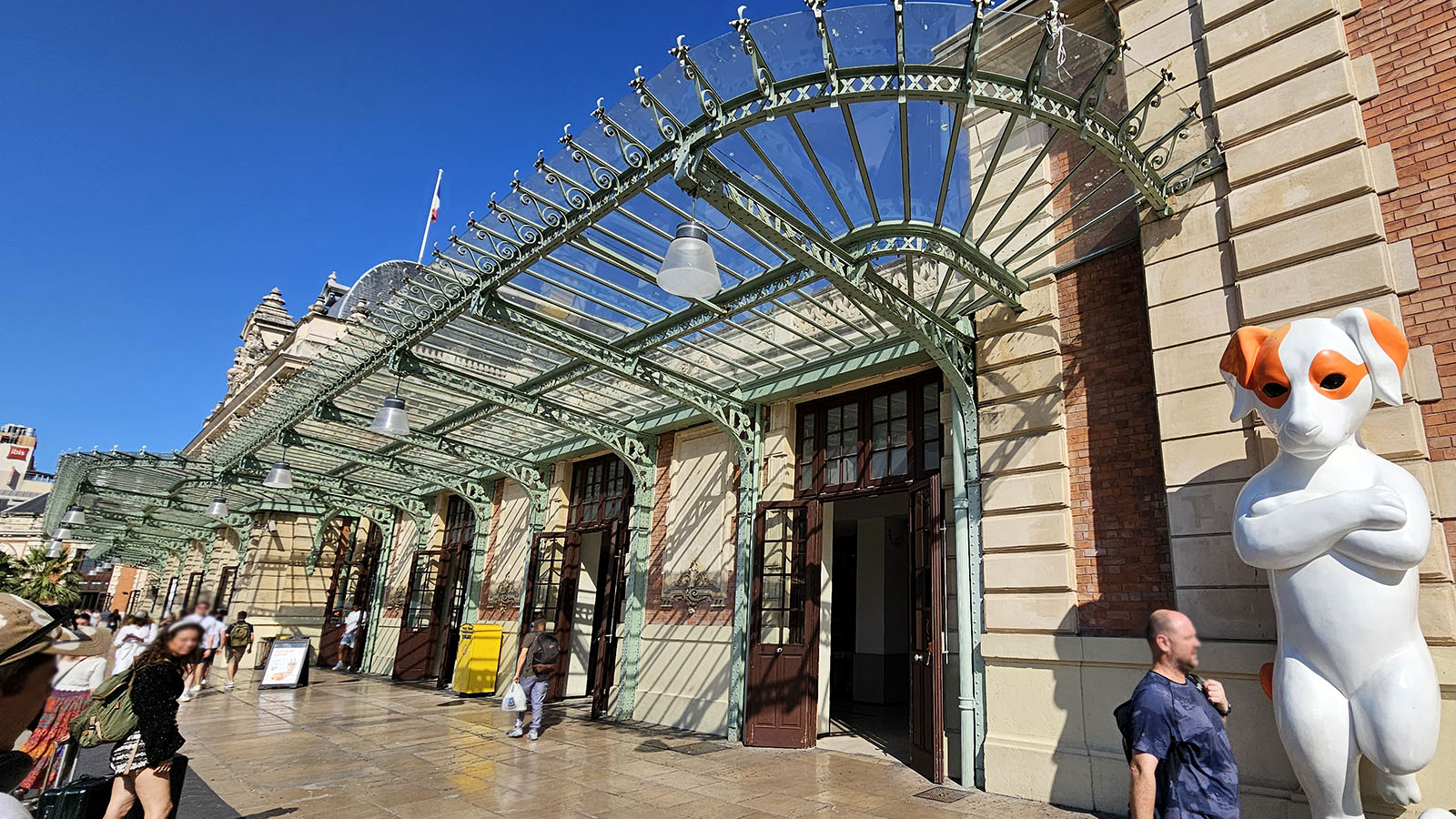
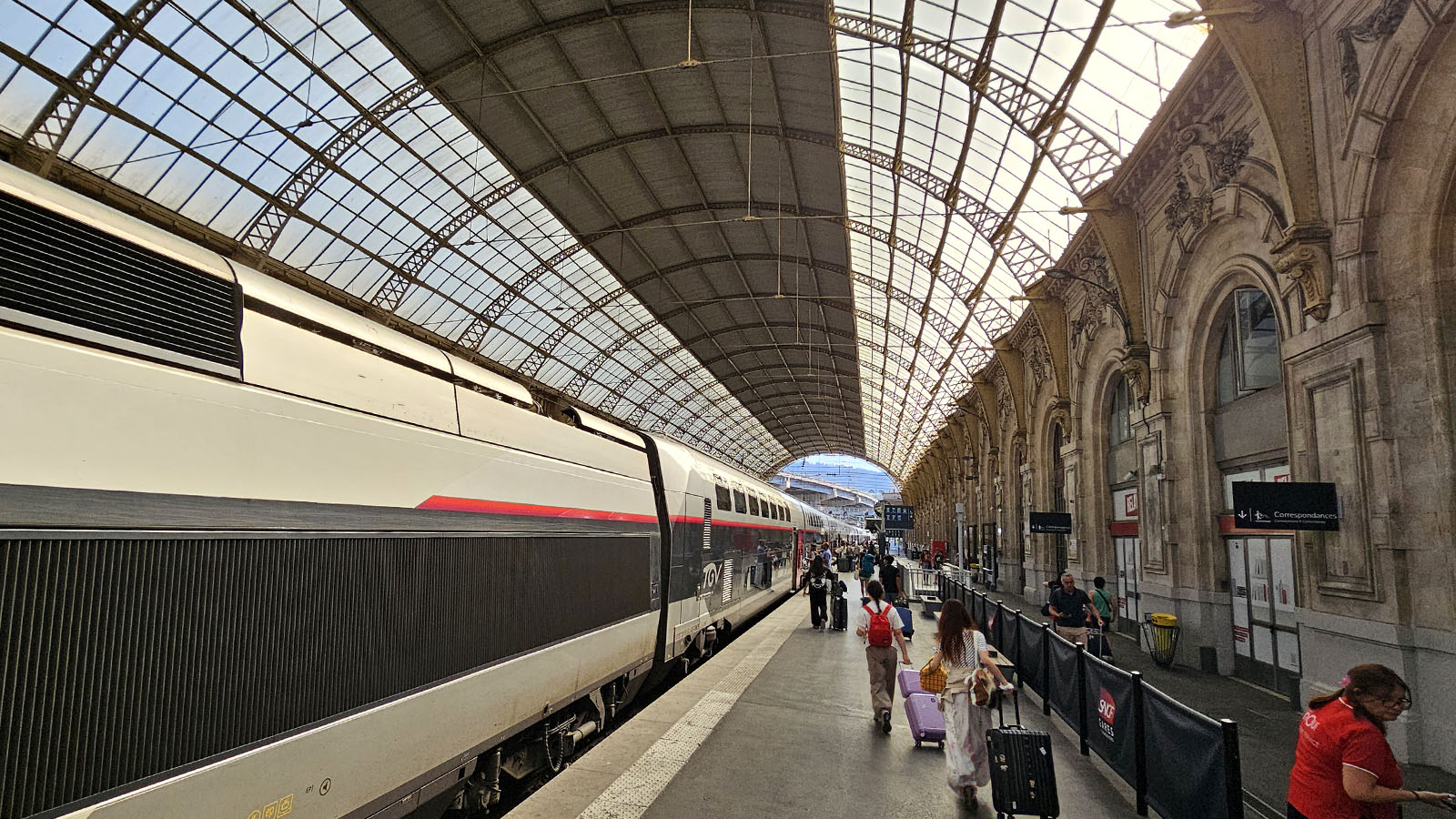
Add to that, France’s high-speed railway stations are located within the cities themselves. Not far out of the city centre like many of the airports. This saves time before and after the journey, because you’re going from where you are, straight to where you need to be. There’s also no need to wait for luggage upon arrival. You can grab your bag and walk straight off the train. It’s bliss.
From Nice to Paris, the journey by TGV usually takes under six hours. So while you spend longer actually moving, the overall time impost is comparable to flying. Especially when you factor in the extra time it takes to get between each city centre and the airport itself when travelling by air.
In my case, the train journey is faster than flying because I dodge those air traffic control delays. I also find the train ride far more productive, as I can have hours of uninterrupted work and achieve things on my schedule. It also avoids keeping my laptop stowed until we’re at altitude and packing it away again before landing. I just board and kick things off – remaining free to do so from the centre of Nice to Paris itself.
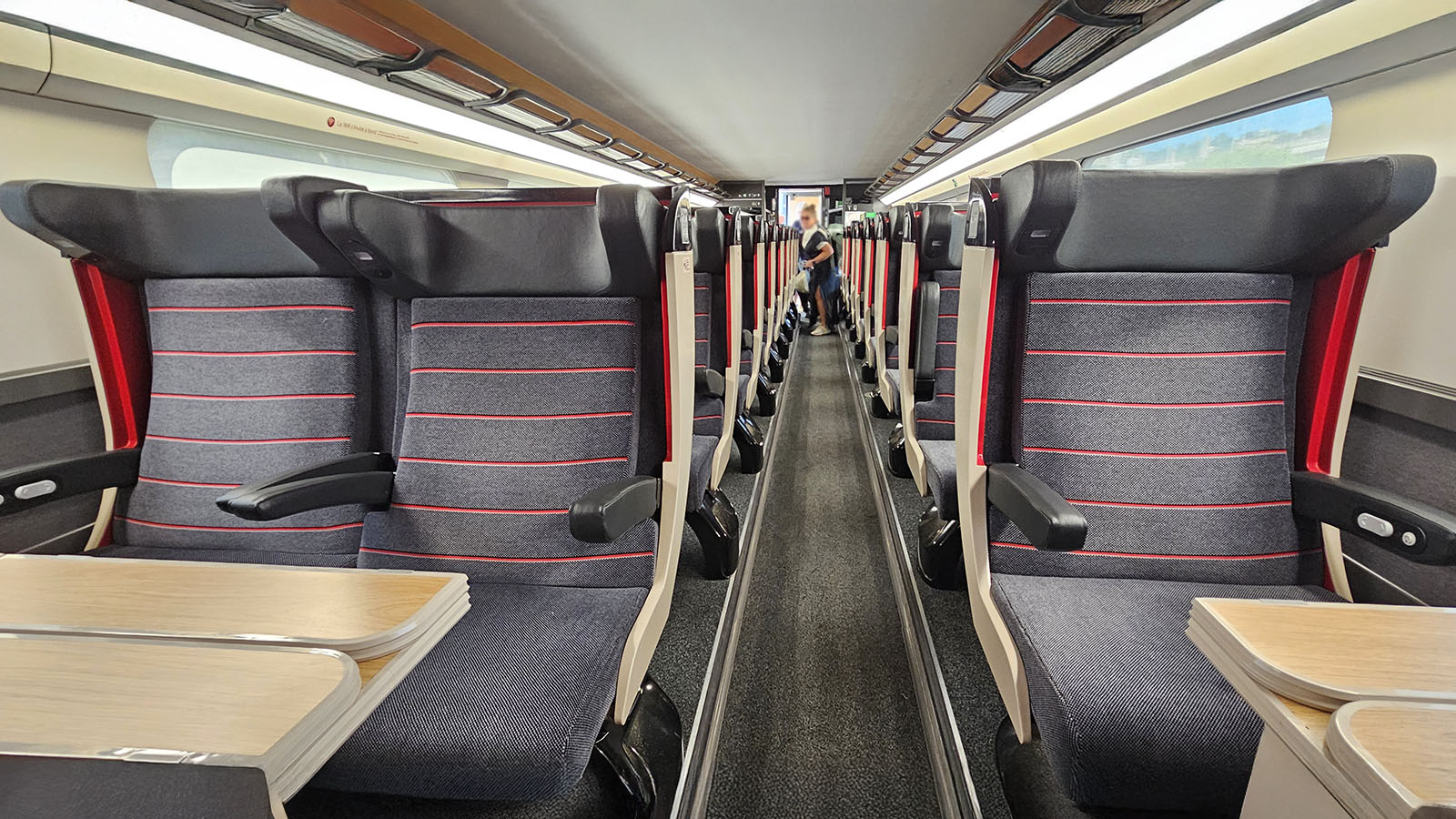
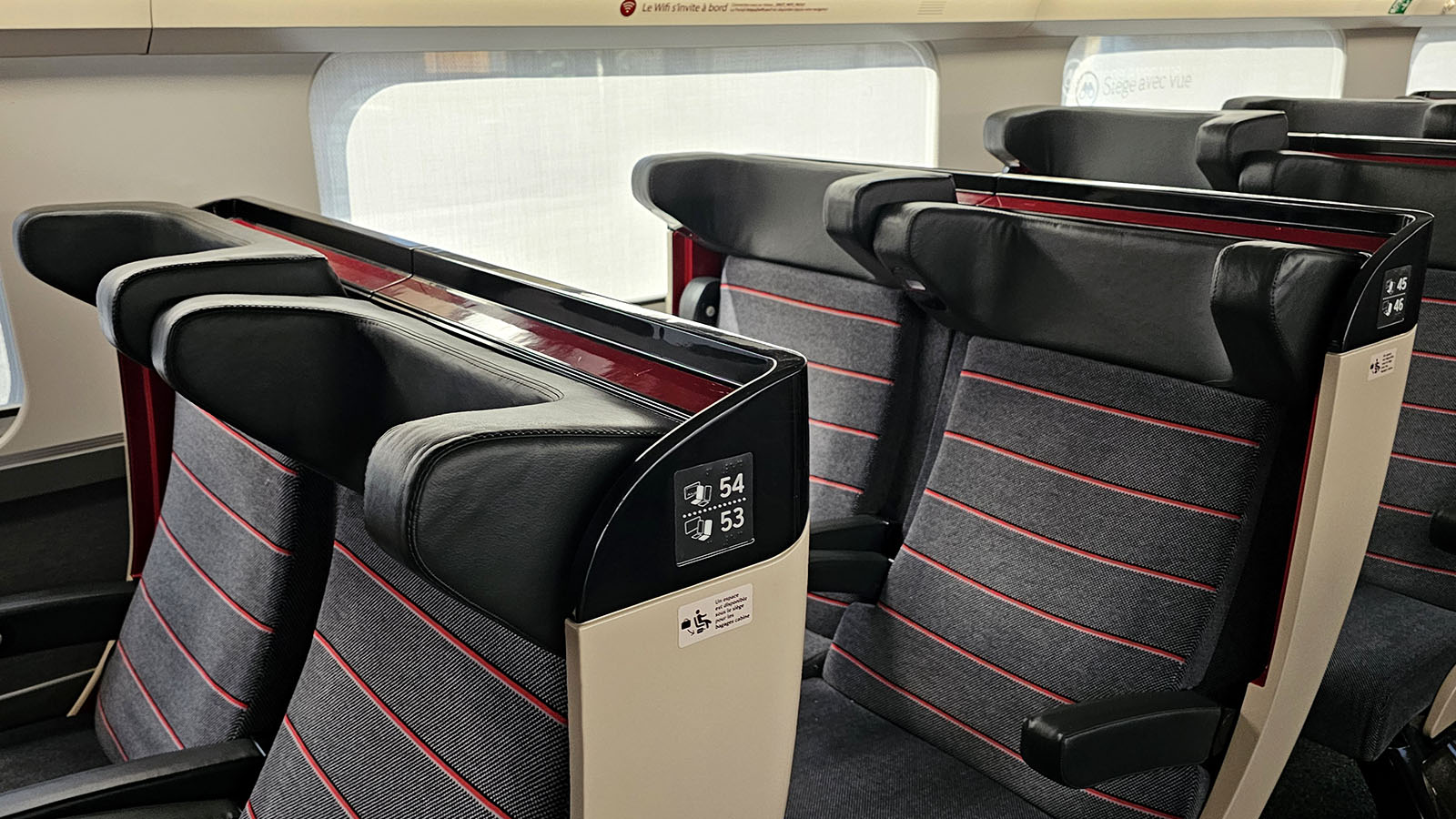
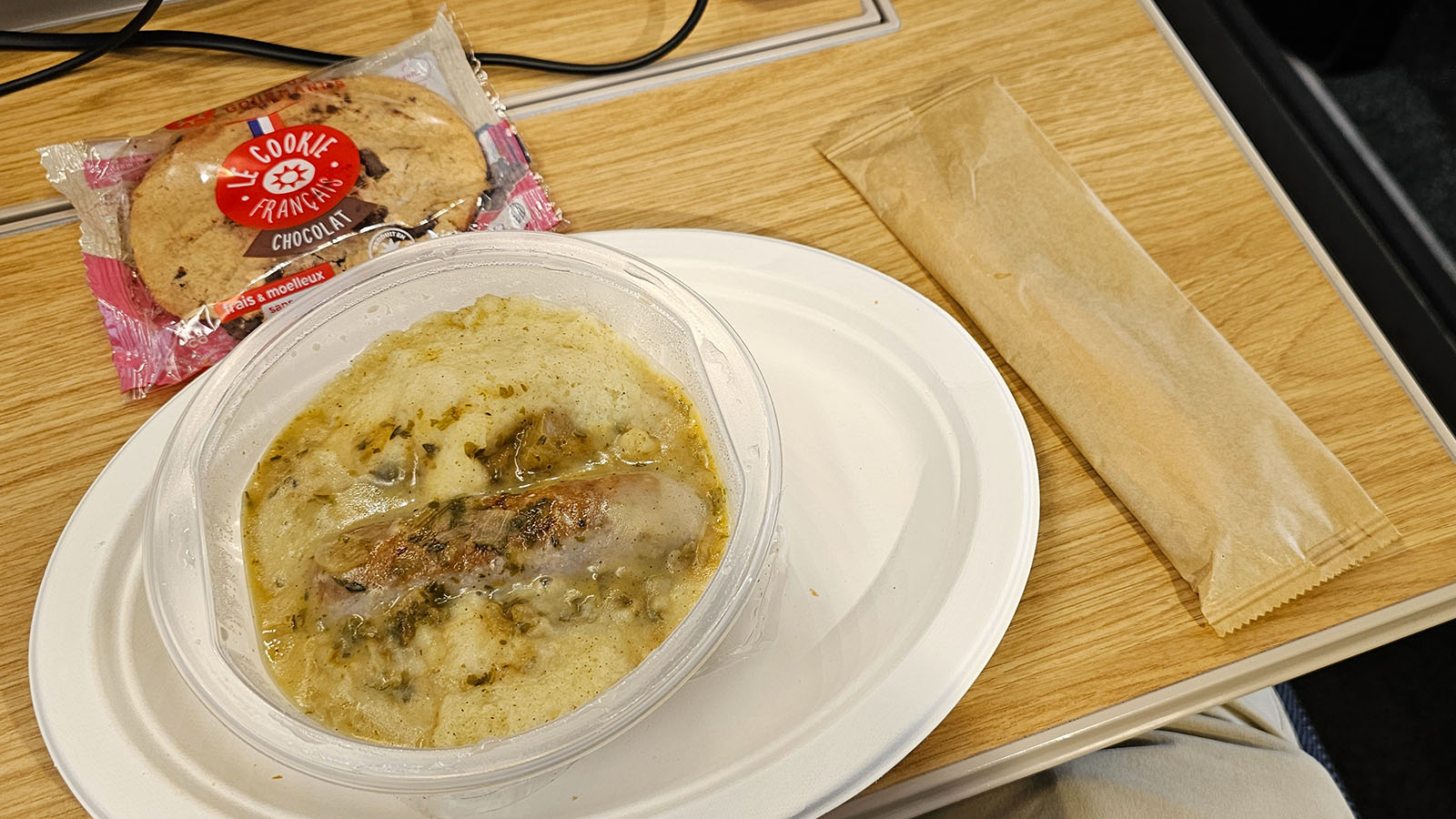
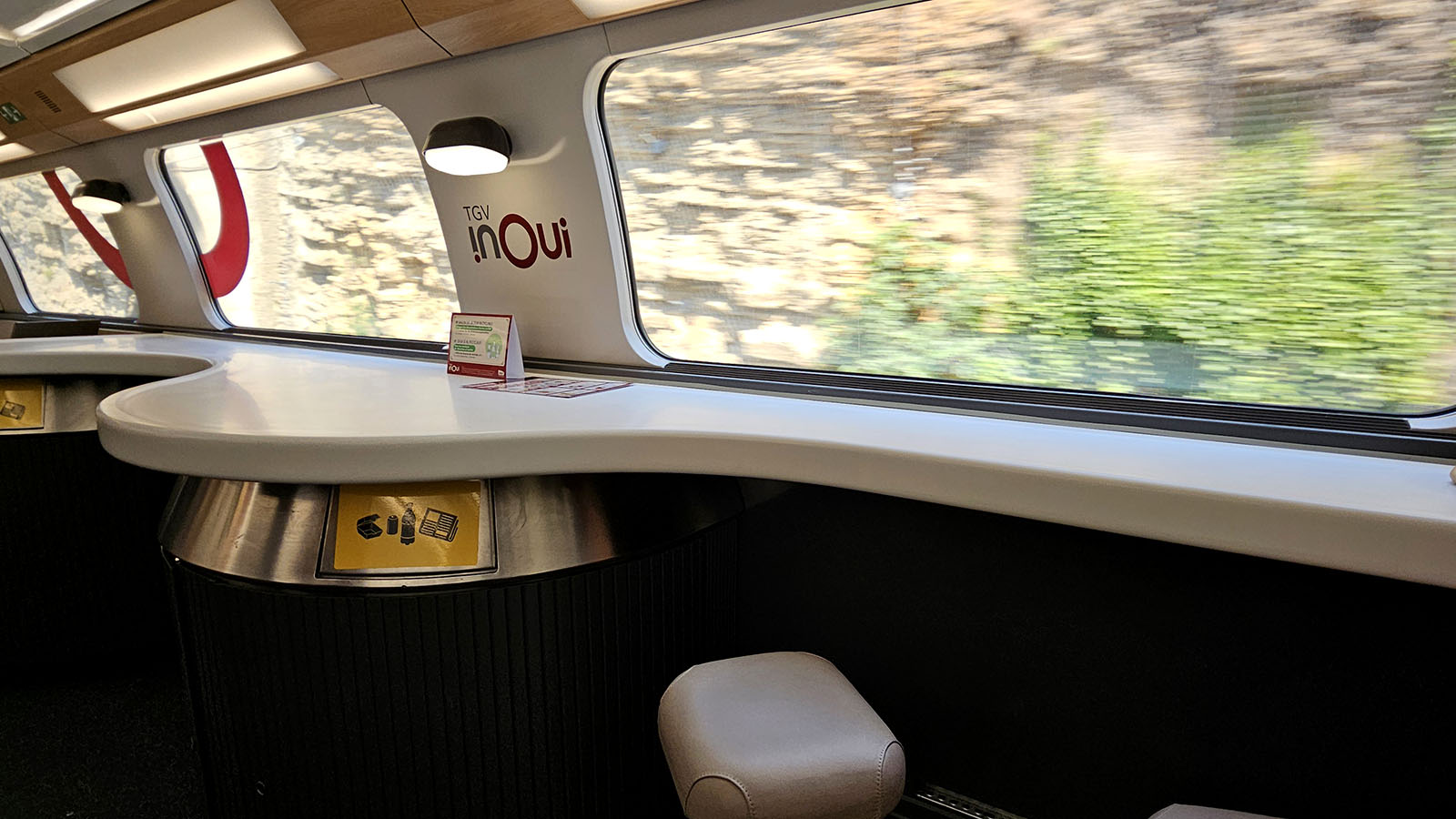
There’s also a cafe carriage on the train to stretch those legs, grab a bite and change the scenery. Not to mention, being able to stay connected by phone and data throughout the journey – handy when travelling for work.
The downsides of train travel
One negative of train travel is how much time you’ll spend in the seat itself. Yes, it’s great for working while you zip across France. Yet it’s still six hours in a chair, versus under two hours sitting still while flying. Sure, you can walk around. But still.
The train also makes a number of stops between the origin and destination. It’s not simply a non-stop journey from Nice to Paris. While the time impact of this is factored into the overall journey time, you’ll want to keep an eye on your baggage. Especially when the train doors are open. To be fair, I didn’t observe any obvious problems on this journey, but it’s just common sense.
The same thought applies to food and beverage service. On the plane, you can order from the menu at your seat. On the train, you generally have to go and queue at the counter. Usually, in a different carriage. The wait can often be 20 minutes or more. There’s QR code ordering to help speed things up, but you’ll want to double check that your train number matches up. Otherwise, you’ll be buying food for somebody on a different service.
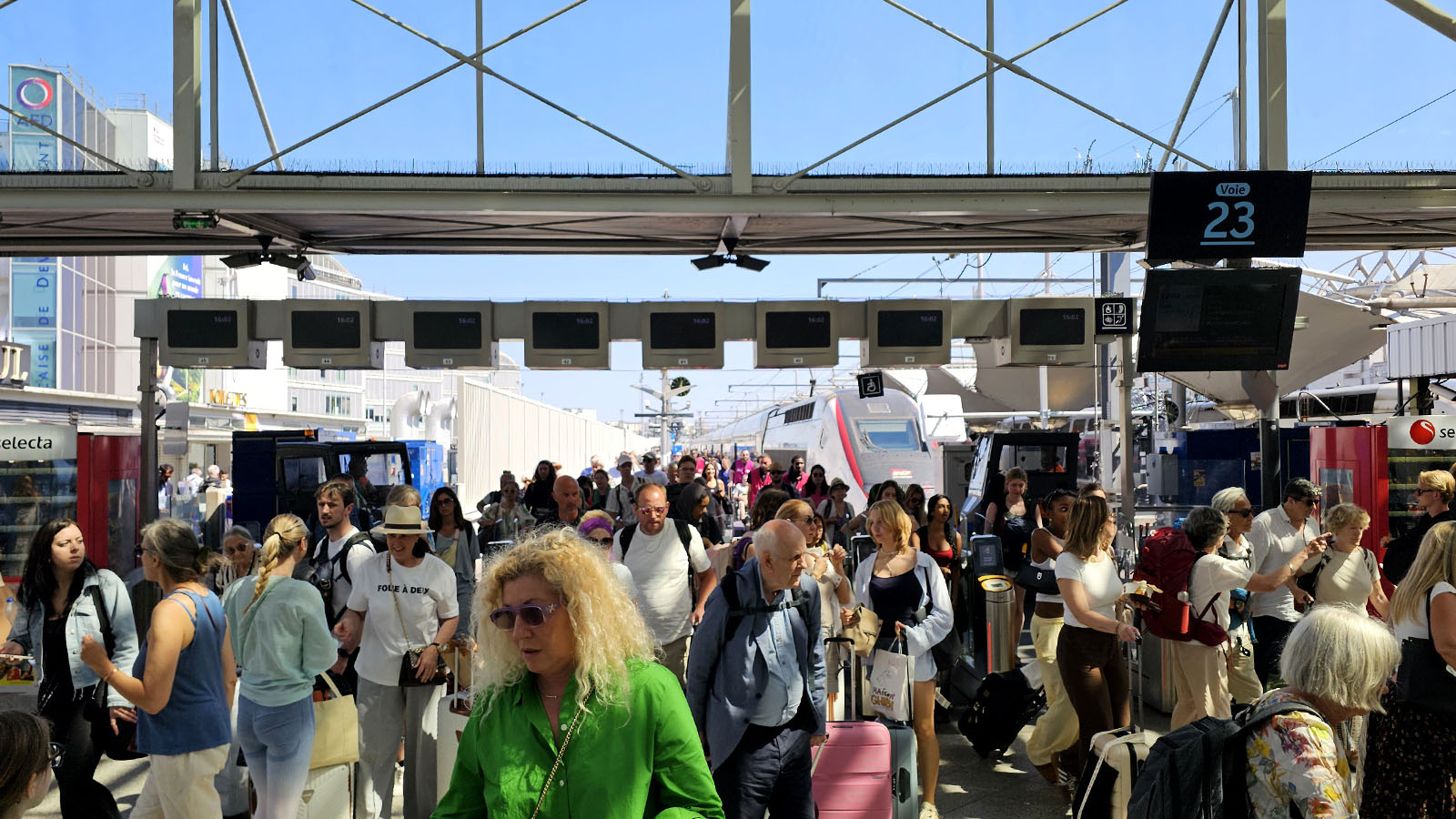
When you reach your destination, you’ll also be among scores of other people arriving at the same time. It’s not like an airport where people trickle off the plane, get their bags and head out progressively. Here, it’s like having two Airbus A380s emptying themselves onto a single stretch of concrete. If you’ll be ordering an Uber, expect a surge – and if you’re continuing to a suburban train, the next couple of departures may be full.
Comparing prices between air and rail
Practicalities aside, consider the cost of your trip as well. Rail tickets are similar to airfares, in that prices are dynamic and fluctuate based on demand, capacity, seasonality and more. So you’ll want to check every time and see what works.
Costs will also depend on how much you’re carrying. For instance, on the best-priced date in September 2025, easyJet had fares starting for just under €50. But then, there’s baggage. This airline charges more for a proper ‘cabin bag’ – the kind that lives in the overhead lockers. And more again for a checked bag. If you need the lot, you may be able to save a little by purchasing a bundle that also includes ‘speedy boarding’ and sitting closer to the front. But once you’ve got all of that covered, it takes the total price to almost €160, one-way.
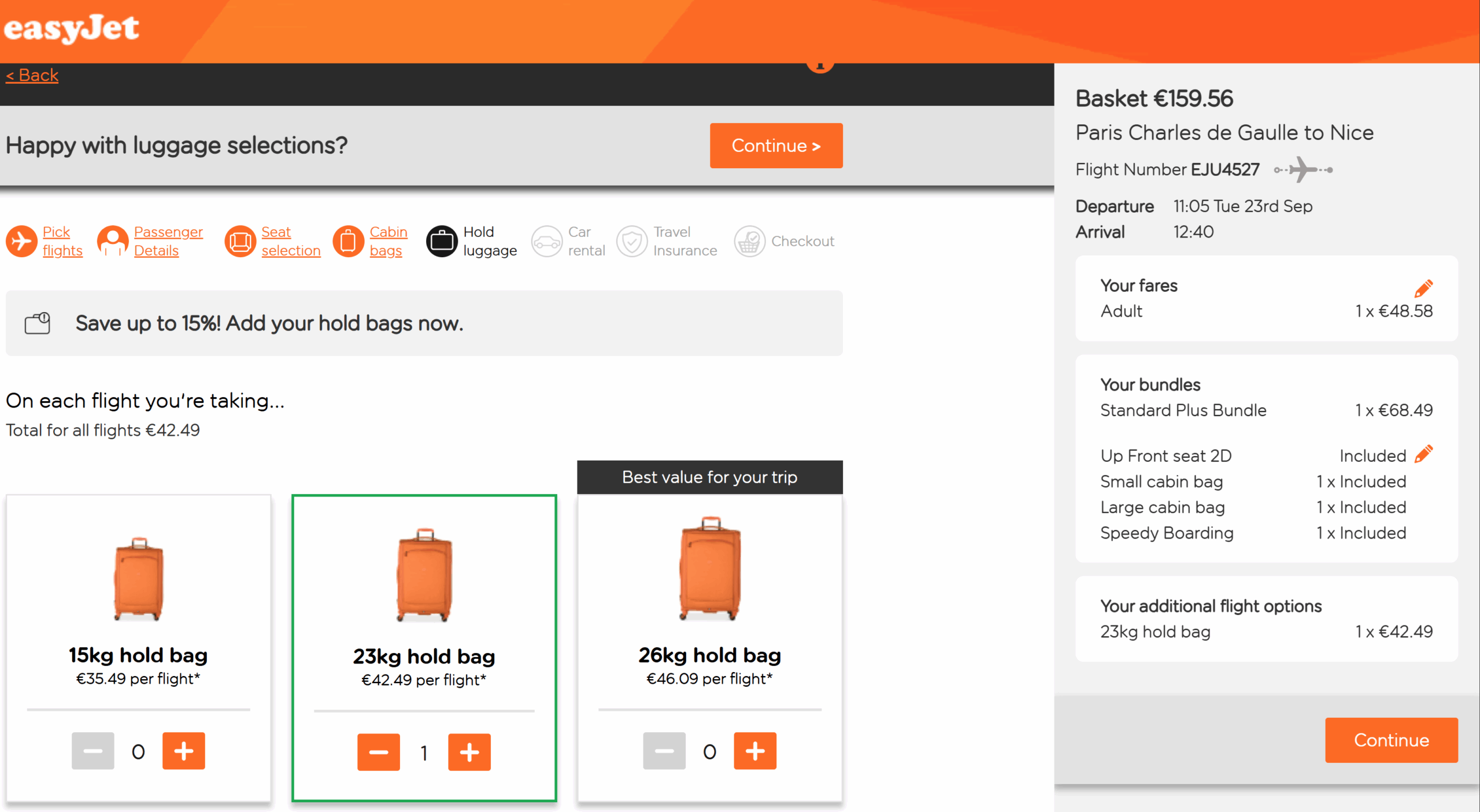
That’s for Economy Class travel. But if you cast your eyes to the TGV high-speed rail, you may be able to travel First Class for a lower price than easyJet Economy. For instance, from €63, based on dates we’ve searched.
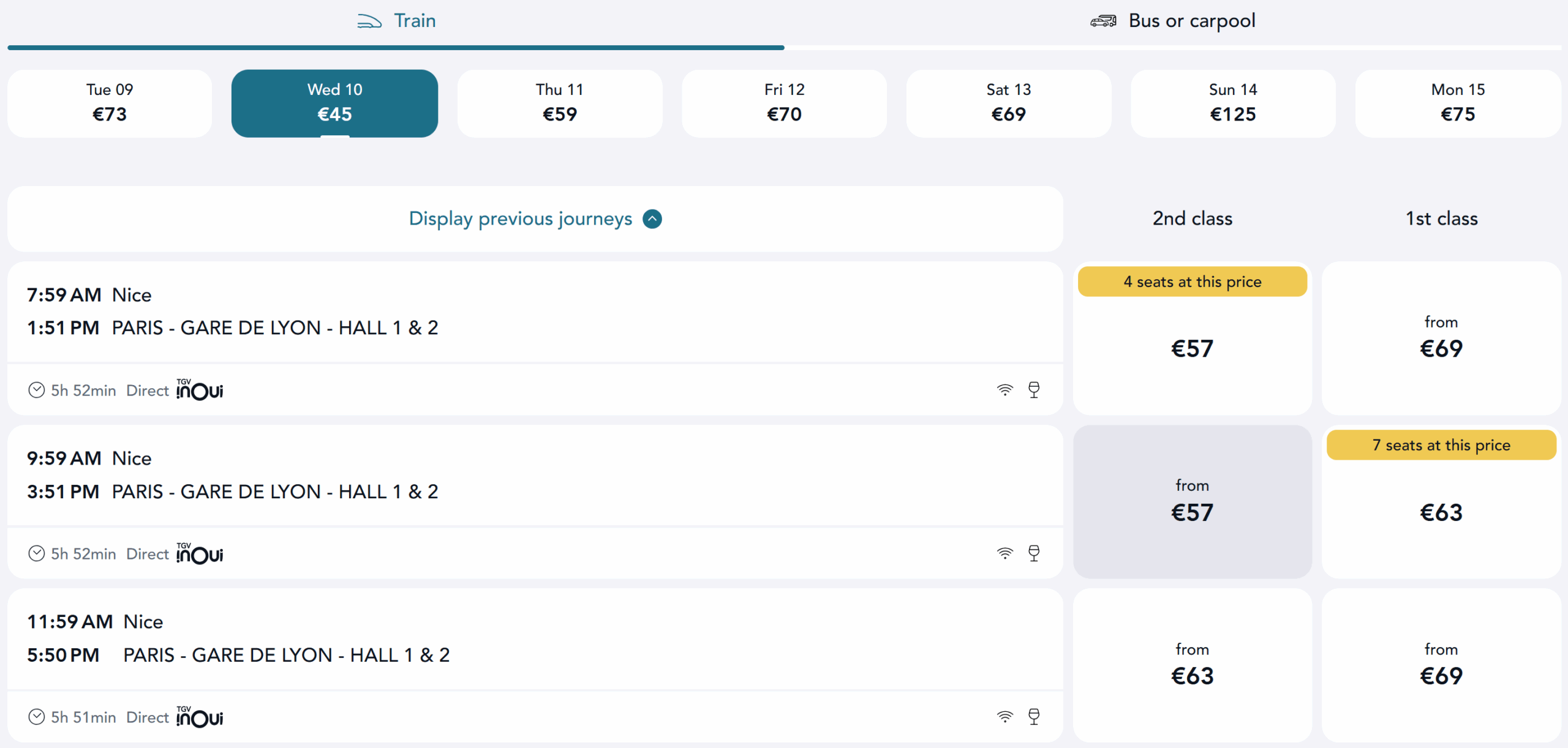
Still, there’s plenty of fluctuation from day to day. That’s why it’s good to check every time, to see what suits best. All things being equal, even as somebody who enjoys flying, I’d say the train generally wins the day. Domestic air travel in France is handy if you’re making a connecting journey, if you need to make a day trip, or perhaps, if you have miles to burn. But if you’re already in France and hopping from one city to the next, the high-speed TGV service could provide be a more enjoyable journey at a lower price.
Also read: When your Emirates plane is a Deutsche Bahn train
Featured image courtesy of Chait Goli/Pexels. Other photography by Chris Chamberlin, who travelled as a guest of Explore France, Paris je t’aime Tourist Office and Explore Nice Côte d’Azur.
Stay up to date with the latest news, reviews and guides by subscribing to Point Hacks’ email newsletter.